

How Long Does an International Move Take? Timeline Explained
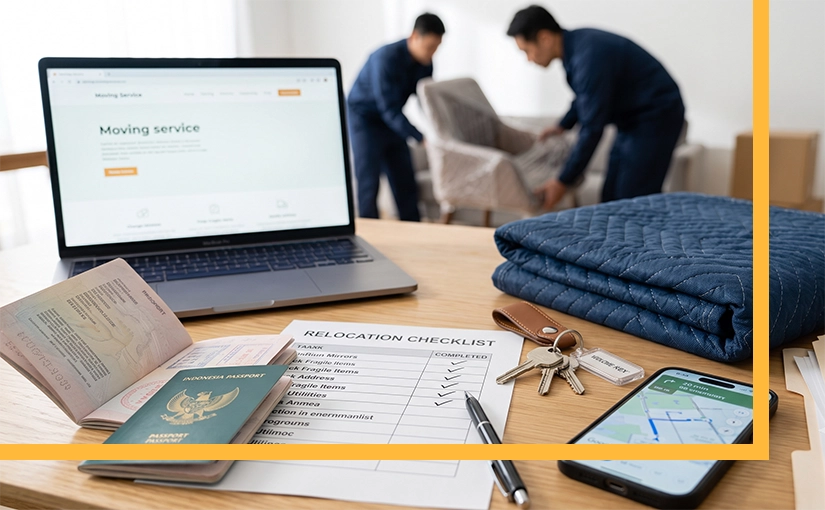
International moves rarely follow a single fixed timeline, because the total duration depends on your destination, paperwork readiness, shipment size, and how many steps are involved. Still, most international relocation journeys follow the same phases. When you understand those phases, it is much easier to plan your travel dates, housing, and work start schedule.
This guide explains what drives the timeline for an international move, what happens at each stage, and how international movers can help you stay on track.
The Short Answer: Most Timelines Depend on Phases, Not a Single Date
If you ask an international moving company “How long will it take?”, the most accurate answer is usually a range, plus the steps that can move that range earlier or later.
Your overall relocation timeline is typically shaped by:
- How quickly you can complete documentation and provide accurate information
- Scheduling availability for surveys, packing, and pickup
- Destination requirements and any clearance steps
- Delivery access and your ability to receive the shipment
- Whether you need storage at origin, destination, or both
Phase 1 (Weeks Before): Planning, Surveys, and Booking
For many relocations, the timeline starts well before packing day. This phase matters because it affects accuracy and reduces last-minute changes.
What happens here:
- You contact international movers and request a survey (in-home or virtual)
- You define scope: what ships now, what ships later, and what goes into storage
- You receive an itemized quote from your moving company
- You confirm scheduling and key milestones for the relocation
How to keep this phase moving:
- Prepare a room-by-room list and flag special items early
- Decide what you will not ship, and declutter before the survey if possible
- Share your ideal move window, plus any fixed dates (work start date, flight, lease end)
Phase 2 (Weeks Before): Documentation and Inventory Readiness
Paperwork is one of the most common causes of delays in international relocation. You do not need to know every rule, but you do need a structured checklist and enough lead time.
What happens here:
- You gather required personal documents and move-related information
- The movers confirm inventory details and packing approach
- You align what will be packed with what will be documented
Common issues that slow this phase:
- Incomplete information or mismatched inventory details
- Last-minute changes to what is included in the shipment
- Unclear responsibilities between you and the moving company
How to keep this phase moving:
- Keep one relocation folder for documents, inventories, and key contacts
- Respond quickly to requests for information
- Confirm who is reviewing paperwork and when it must be finalized
Phase 3 (Packing Week): Packing, Labeling, and Pickup
Packing is not just putting items into cartons. For international moves, packing is a protection and tracking system that should hold up across multiple handling points.
What happens here:
- Professional packing (full, partial, or fragile-only depending on scope)
- Labeling and inventory reconciliation
- Pickup scheduling and dispatch preparation
What can affect timing:
- Access constraints at your origin property (lift bookings, narrow stairwells, parking rules)
- Large or fragile items that require extra protection
- Items that are not ready or decisions made late (ship vs storage)
How to keep this phase moving:
- Separate what must not be packed and label it clearly
- Prepare an “essentials” plan so you can live and work while the rest ships
- Confirm building rules ahead of time so the crew is not delayed on arrival
Not sure how to pack for an international move? Ask Cindy, our 24/7 AI assistant for practical tips.
Phase 4 (In Transit): the Variable Middle of the Timeline
Transit time is the part people focus on most, but it is rarely the only factor. International movers coordinate the movement of your shipment across legs and handoffs, and the timeline can vary based on routing and scheduling.
What can affect timing during transit:
- Consolidation schedules and routing complexity
- Timing of handoffs between origin and destination teams
- Local holidays and peak seasons that reduce availability
How to reduce uncertainty:
- Ask your international moving company what events trigger updates (departure, arrival, clearance start, delivery scheduling)
- Choose movers who offer proactive communication, not just responses when you chase
Phase 5 (Arrival): Destination Checks and Any Clearance Steps
After arrival in the destination country, there may be administrative steps before delivery can be scheduled. This is why paperwork and inventory accuracy earlier in the process matters so much.
What happens here:
- Destination-side processing and readiness checks
- Any destination requirements, inspections, or additional information requests
- Scheduling for delivery based on your availability and building access rules
How to keep this phase moving:
- Make sure you can be reached easily while traveling
- Keep digital copies of key documents accessible
- Be ready to confirm details quickly if follow-up questions arise
Phase 6 (Delivery): Scheduling, Access, and Setup
Delivery is often the final piece of the relocation puzzle, and it is where timelines can slip if access rules are not planned. Even if everything arrived on time, delivery can be delayed if you cannot accept it, or if building rules limit unloading.
What happens here:
- Appointment scheduling within a delivery window
- Delivery to your home
- Optional unpacking and debris removal (depending on your plan)
If you are not ready to receive the shipment, storage can be the safest option. It prevents repeated rescheduling and reduces pressure during your first days in a new country.
Where Storage Fits into the International Move Timeline
Storage can shorten stress, even if it does not shorten total time. Many families and professionals use storage when:
- Housing is not ready at destination
- They want staged delivery while they settle in
- They are deciding what fits in the new home
Ask your movers:
- Whether items are stored in a way that supports staged release
- What notice is required to release items from storage
- How access works if you need a specific item
How to Plan Your Timeline Like a Pro
If you want a smoother international relocation, focus on the steps you can control.
Best practices:
- Start early with surveys and documentation checklists
- Confirm scope in writing, including what is included and excluded
- Keep one point of contact and one timeline with milestones
- Build buffer time around travel and work start dates
- Pack essentials separately so you can function during the transition
- Use storage strategically if your housing timeline is uncertain
Final Takeaway
International moves are predictable when you treat them as a process. The exact duration varies, but the phases are consistent: planning, documentation, packing, transit, arrival steps, delivery, and sometimes storage. The right international movers help keep each phase moving, so your relocation stays manageable and your timeline stays realistic.
Want help mapping a realistic international move timeline for your destination and household size? Explore our The Global Move podcast.