
Carrying the Legacy: Trust, People, and the Power of the Network – with Eric Lim and John Lim







Host: Eric, John, welcome.
Eric Lim: All right, thank you for having me here.
Host: So in a world of consolidation and big companies, how did you—a bunch of ragtag entrepreneurs—develop this unique team ethos?
Eric Lim: You know, most of us started as entrepreneurs in our own country. And when you are an entrepreneur in your own country, with an entrepreneur mindset, you do the best you can. So when we formed the network—basically between the Transpo Group, the K.C. Dat group and the Lane—individually we were the best in each country. And we take that, we respect the customer, we are passionate about our business, and we build a name. And today, I would say in the whole of Asia, there are no moving companies that are in the same category of the Asian Tigers family network. It’s because we all own assets in our own country. We all have our own packers, our own workers that work for us. You know, my oldest employee, for example, in K.C. Dat, she’s probably 55 years old in the company. I spent 50 years in the company. And John, what about you?
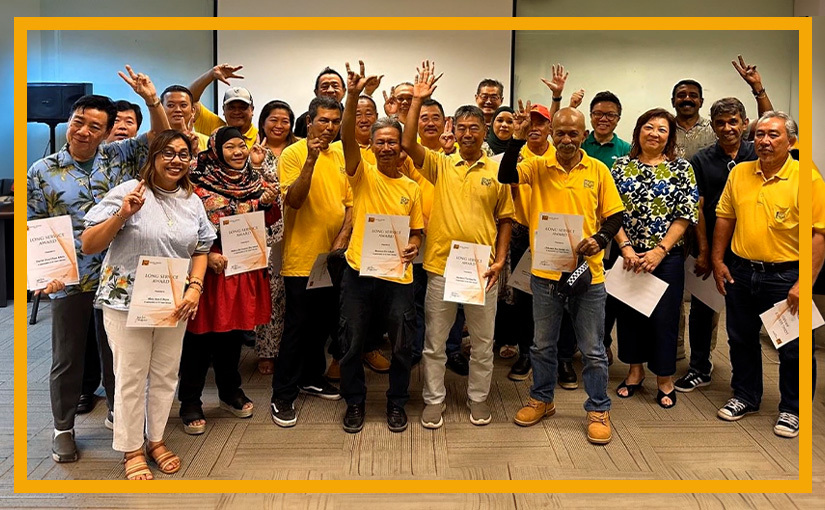
John Lim: My second time round is at least 30 years.
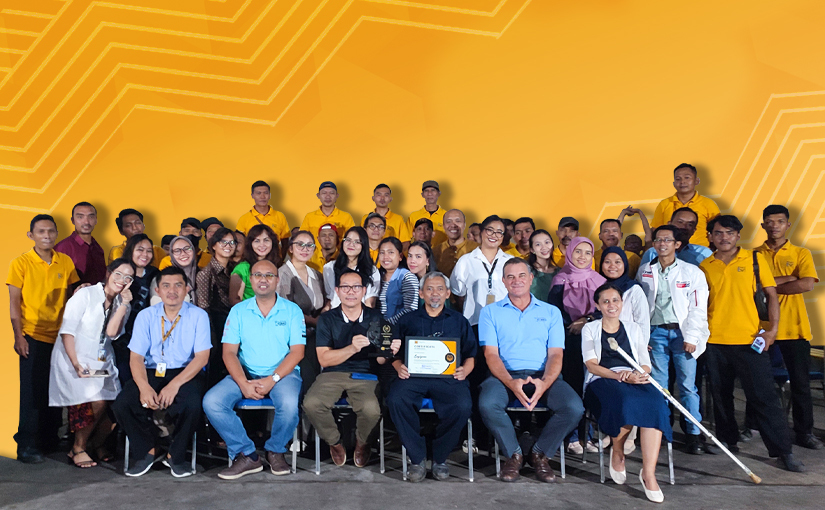
Eric Lim: 30 years in the company. So, you know, we have that continuity. And because we are a family-owned business today, it is the employee that plays the part in building this company. And we share that knowledge with them because I am a salesman—I’ll sell anything—but if you ask me the question “Who packed the shipment?”, it is basically the guy who walked into the house that packed the goods. So we are pretty proud of where we are today.
John Lim: You know, for us, what was done in the past, we learn from it. But what is more important is how do we prepare ourselves for the future? And that is by making sure that the staff and the employees that stay with us have a strong sense of belonging.
Host: How do you approach technology in the moving industry?
Eric Lim: You know, whether you like it or not, the world has changed today. When we started the business way back in ’75, we didn’t have such things as mobile phones, we don’t have such things as internet, we don’t have computers. Everything was done manually, literally. And as the world progressed, we adapted to the technology. And there is no way out; you can’t refuse change. And the adaptation of technology enhanced our business. It helped us to manage the business and be responsive to client requirements. And you just have no choice—you have to live, you have to adapt, you have to change accordingly. And that’s what we adapted, basically.
Host: Where is the moving industry going to be in the near future?
John Lim: The business that we’re involved with is very unique. This is really one of those businesses whereby you actually allow a bunch of strangers to go into your house—not just your house, but into your bedroom. To open up the cupboard, to pull open the drawers and see everything you have. Now, as a customer, you don’t know this bunch of strangers. And we don’t stop there. At origin and at destination, we send another bunch of strangers into the house to do the reverse. So how are you going to entrust your house move to this group of strangers? You only have one choice, and that is to pick the right company. And by picking the right company—assuming it is Asian Tigers—the onus is on us. To make sure that the crew that we send to your house—no doubt they’re strangers to you—but at the same time, you know, they’re mindful that this is a home that is private to your family. And that is the part where technology can never replace.
Eric Lim: It might be a picture on a wall. It means nothing to another family, but as a mover, our responsibility is to make sure that it arrives safely from this house to another destination.
John Lim: So at the end of the day, we really need to strike a balance between using technology to enhance, technology to adapt, technology to make us more productive.
Eric Lim: I think the industry has changed dramatically, as far as I can remember, from 50 years ago till today. And you just have to adapt and live with the changes. Because if you don’t change in your life—even in your personal life, but here we’re talking about business—changes happen every day. And if you don’t accept and adapt to the changes, the changes are going to pass you and you will be left behind. So we are very versatile as a company, as human beings, that we adapt to changes and we accept it. Along the way, you have your ups and downs, but you make it at the end of the day.
Host: Thank you both, gentlemen.