
Tips for Moving With Young Children and How to Keep Them Engaged
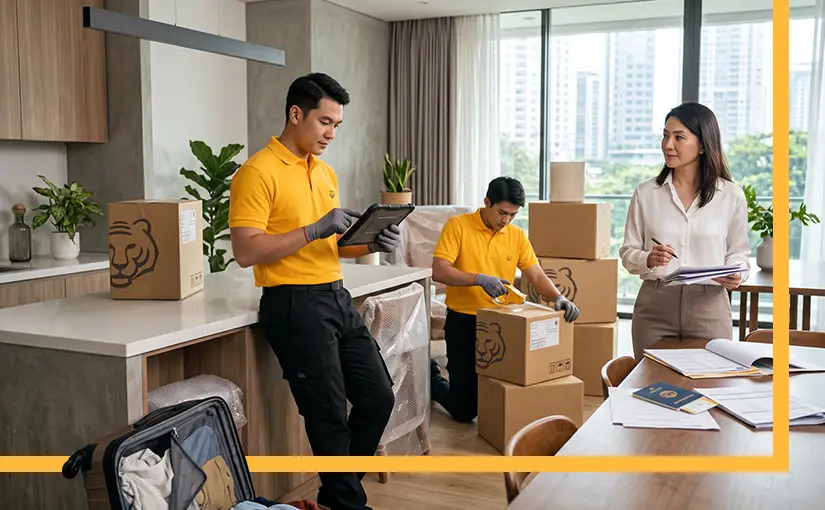
The act of moving to a new house causes many changes for family members. To young children, the departure from a known building and the change of daily habits is often unclear because they do not fully understand the events – but parents can assist children – including them and providing comfort. Whether you’re moving locally or doing an international relocation, the objective is for children to feel like active participants.
The Early Conversation
As children may lack an understanding of the reasons for a relocation, you should describe the events using basic vocabulary. In those discussions, you characterize the upcoming residence and state which elements change or remain identical. By showing photographs of the new structure and the surrounding neighborhood, you offer visual information. There is an advantage when you talk about the local playgrounds, educational facilities or shops.
The children need time to think about the change instead of hearing news at the last minute. They frequently repeat the same questions if they feel uncertain about the status of their toys, friends or animals. The parents should answer the questions with facts at a level the children understand.
Give Children a Role
The process is more effective when you assign specific tasks to children because they respond positively when they manage their own actions. They select which toys they put into containers first or they attach labels to a box. Older children organize books or choose which objects they need for the trip. It is not your goal to make children responsible for the entire relocation. You include them so they feel that they participate. If a moving company assists you, you explain how the workers function and why they are there. The children feel that the environment is regular when they understand that the employees who transport furniture provide assistance.
Keep Familiar Items Close
You should keep recognizable objects near the children because they feel anxious when you pack their bedrooms – but you do not place every item into boxes immediately, as you ensure some objects remain accessible. The children use a specific blanket or a book on the day of the move and during the first night in the new residence. To ensure they have access to those objects during travel, you prepare a small bag for each child – those bags contain food, a set of clean clothes, books, toys or headphones. On international moves, this practice is particularly beneficial. If international movers transport your belongings and the items do not arrive on the same day, the recognizable objects help children feel at ease while they wait.
Make Packing More Interesting
The task of preparing belongings for transport becomes more engaging when you include children in the process. Depending on their maturity, children can place plush dolls into boxes or attach adhesive tags. The activity is a game where they locate every object that exists inside their sleeping area – but you should not expect the children to organize items with exact accuracy. The goal is that they participate, rather than that you save time. If possessions go into a climate-controlled storage, explain this using basic vocabulary. There is a possibility that children feel anxious that their belongings are missing permanently when they observe containers exiting the building. The statement that items are in a protected building until you require them decreases this anxiety.
Plan for Moving Day
The schedule for the transition to a new residence is frequently loud and full of motion – there are professional transporters entering and exiting, heavy chairs being lifted and cardboard containers appearing in every room. If it is possible, children should remain with a family member or a different guardian during those hours – this keeps them away from congested hallways and provides a quiet atmosphere while the movers perform their duties. If they stay at the residence, you must designate a protected zone separate from the main paths of transit. The availability of playthings and meals in this zone creates a relaxing environment. And you must ensure children understand the timeline for the day. Detailed descriptions about the minute of departure and the arrival of their furniture can help them feel calm.
Keep Routines Where You Can
The parents should maintain consistent schedules for eating and sleeping when this is practical. In the new residence, you use the same behaviors for sleep despite the change in the physical structure. During a relocation between countries, those behaviors require more time to become steady. There are often different time zones, ingredients and educational institutions. The children require a period to adapt because they do not feel relaxed immediately.
Let Children Say Goodbye
You allow the children to perform a farewell – the departure from a residence is an event that carries meaning even when the children feel happy about future events. They can look at their bedroom for a final duration or speak to the individuals who live nearby. You assist the children as they keep their memories. By taking photographs of the garden or the bedroom, you create physical records – those small objects are useful after the family moves.
Help Them Settle Into the New Home
Once the family arrives, the children do not require the entire residence to be in order before they feel safe. You organize their bedroom during the initial stage of the move. The presence of their toys and furniture makes the new room easy to identify. The parents let the children walk through the residence at their own pace. If the relocation is international, you show them the local neighborhood slowly. To help them you find activities that are similar to their previous actions. As a move is a substantial transition, some children require more time than other siblings.
Moving as a Family
Moving as a family group requires more preparation – by talking early and keeping familiar objects nearby, the experience is improved for every family member. The most necessary action is that you provide opportunities for their questions and their feelings. If you employ local movers or an international moving company, the preparations help the children feel secure.
Want to hear more about the people and experiences behind moving and relocation?
Explore the Asian Tigers Group podcast for conversations and insights from across our global network.
Let’s get moving.