
Kids and Pets: Tips for a Stress-Free Move
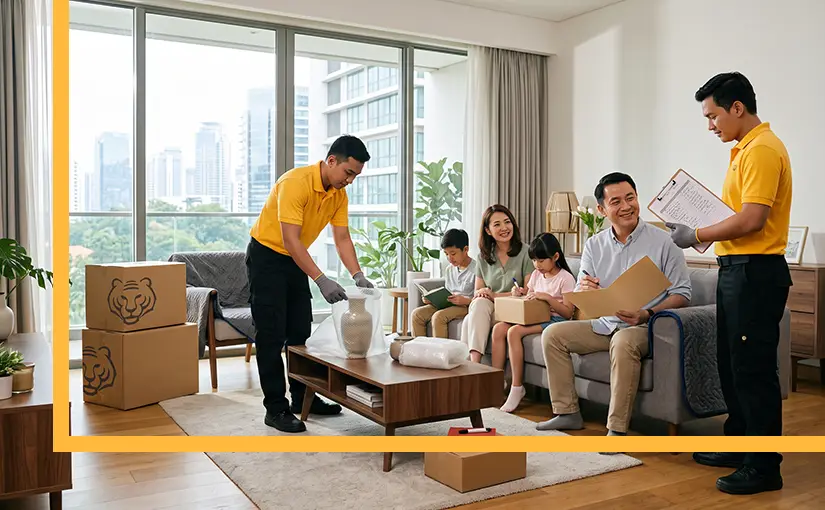
The act of relocating causes various emotions but the process creates stress for offspring and animals. The offspring often fail to comprehend why the residence changes, while animals exhibit anxiety when the environment and daily schedules vary.
A small amount of preparation assists the transition – as you move within a city or plan international moves, you must identify what the offspring plus animals require before, during and after the process.
Talk to Your Children Early
Children manage change more effectively when they anticipate future events. Explain the relocation using basic vocabulary and provide time for questions.
To help them, talk about the new residence, the bedrooms, the educational institutions but also other modifications. On some occasions, you can show images of the new house or the local area so the destination appears recognizable.
And you can include them in small tasks – let them select which playthings to pack, draw on a cardboard container or assemble a bag for the trip. They do not hold accountability for the relocation – but providing choices helps the offspring feel included in the family activities.
Keep Familiar Things Close
The sight of a house filled with cardboard containers is unusual for a young family member. In the days before the move, keep preferred playthings, reading materials, blankets and comforting objects reachable.
Prepare a personal bag for each offspring containing garments, food, books and playthings for the trip. The important legal papers as well as high value objects stay with you instead of entering the shipping container.
This action is vital during a relocation between countries – the possessions might arrive later than the family – keeping recognizable objects available makes the initial days easier.
Not sure what your family should keep with you during an international move? Ask Cindy, our 24/7 AI assistant for practical tips.
Keep Pets Away from the Busy Areas
Pets react to relocation in various ways – they become restless as the furniture is removed, containers fill the rooms and unknown workers enter the building.
To help them, keep the normal times for feeding, walking and sleeping consistent during the packing phase. The established schedules provide stability during the transition.
On the day of the relocation, keep animals away from the primary work areas. In a quiet room a locked crate or a temporary residence with a known acquaintance, the animals avoid fear or the risk of escaping through an open exit.
If you have hired a moving company, let the movers know that pets are in the property. The awareness of the animal locations ensures the safety of the workers or the animals.
Plan the Journey Carefully
If you travel to a different city or country, evaluate the trip and the relocation process.
For relocations between countries, verify the rules for transporting animals into the destination nation. Because of the specific destination, there are requirements for legal papers, medical injections, microchips or other plans.
Your international moving company provides advice about the transport process but you must confirm animal travel rules with the government authorities and transport providers.
And if the international movers handle the possessions, keep food, water, medical supplies, bedding next to animal requirements with you – those objects do not go into the primary shipping container.
Make Moving Day Simple
The day of relocation is a busy time – the doors stay open, workers carry furniture through the residence and individuals enter and exit the building.
To simplify the day, arrange for children to stay with a relative, a friend or a professional caregiver – this keeps them from the busy areas, where the movers work.
If they remain in the residence, create a quiet area with recognizable playthings plus tasks. Pets also require a locked area away from the relocation activity.
There is an essentials bag that you must keep reachable for the whole family. It contains hygiene products, extra garments, electronic chargers, food, water and legal papers for use before the containers are opened.
Keep Routines Familiar
The arrival at the new residence is the start of the adjustment period.
For the children, maintain the established times for meals and sleep. If the offspring attend a new educational institution or live in a new country, provide time for them to become comfortable with the area.
The pets also require consistency – set up the food, water, bedding but also recognizable objects as soon as you can and return to the normal schedules for feeding and walking.
An international relocation involves more changes, like different time measurements, weather, speech or daily habits. Give every family member time to adjust instead of expecting the new residence to feel familiar immediately.
Set Up Familiar Spaces First
There is no requirement to unpack every container right away.
The process starts with the rooms as well as possessions that help the family feel comfortable. In a bedroom for an offspring, use the recognizable bedding, books and playthings to make the room appear familiar.
And do the same for the animals – give them a specific area with their bed, food, water and preferred objects.
If you’re using storage while you settle, keep the most necessary possessions reachable – this is useful if the primary shipment arrives late.
Helping Everyone Settle In
The act of moving with offspring or animals requires planning but small actions create a difference.
Talk to children early, keep recognizable objects nearby, maintain schedules and provide animals with a protected space. In an international relocation, check the travel rules and the needs of the family before the shipment arrives.
By working with local or international moving company, you acknowledge that a successful move involves more than moving objects. It involves helping the family next to the animals feel comfortable in the new environment.
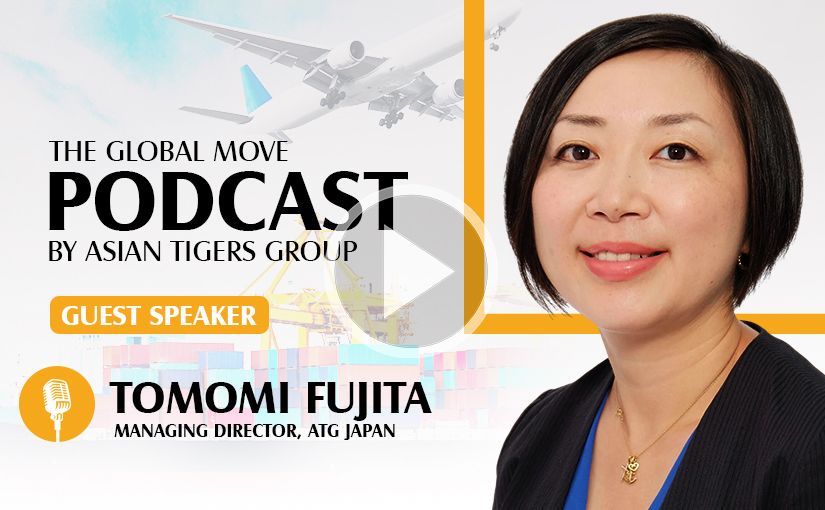
Want to hear more about the people and experiences behind relocation around the world?
Explore the Asian Tigers Group podcast for conversations and insights from across our global network.
Let’s get moving.