
How to Prepare for an International Move With a Family

The relocation of a family to a different nation creates a chance for new experiences, but this task requires the management of many details. An international relocation is more than placing objects into containers, because parents must decide which items to keep and help offspring adapt to a residence in a different territory.
The process is less difficult for every individual when the family prepares well. As you begin early, your family has the duration required to arrange official papers, choose which possessions to retain and prepare the offspring for upcoming differences in their lives. By working with a moving company that has extensive history, you receive functional assistance throughout the duration of the move.
Start Planning Early
In an international move, multiple stages exist – it is helpful to create a schedule many months before the relocation day. It is necessary to determine when you must obtain travel permits, inform educational institutions, find housing, hire movers, and organize household goods.
The schedule must address the requirements of each individual in the household. He or she may need to manage professional duties, while the offspring require time to speak with peers and instructors before they leave.
If you work with an international moving company, you should ask them about the stages of the move. The family knows what to expect when they understand the events that happen before, during and after workers pack the containers.
Decide What to Take with You
An international move is a functional time to evaluate which items the family uses. To ship every object from a current residence is sometimes not practical because some possessions are easy to replace at the destination.
The family should enter every room to divide items into groups for transport, donation, sale, storage or disposal. Pay attention to furniture, electronic devices, playthings, garments and objects that hold emotional value.
For items that the family wants to keep but cannot transport yet, a storage facility is a useful choice – this is helpful if the relocation involves a stay in a short-term residence or if the parents have not determined the dimensions of the new house.
Prepare Children for the Move
The offspring often perceive an international move in a way that differs from the perception of adults – but even when they feel interest in the new location, it is difficult to leave familiar environments.
Talk about the relocation using words that the offspring understand and provide chances for them to ask questions. To involve them in the process, you can let them choose specific items for their luggage or help them plan the layout of a new bedroom.
The transition is easier when you maintain daily habits – favourite books, toys and photos provide a sense of comfort while the offspring learn about their new environment.
Pack With the Journey in Mind
The packing process for an international move is not the same as the process for a local move. The family is without their shipped possessions for a duration of time – it is important to pack a separate set of necessities for the travel days and the arrival.
It is necessary to carry passports, travel papers, medicine, records, electronic chargers, hygiene products and extra garments instead of placing them in the shipping container. On the journey you should also keep contact lists and paper copies of documents in an accessible place.
Not sure how to pack for an international move? Ask Cindy, our 24/7 AI assistant for practical tips.
The international movers also provide advice about the packing method and explain where the possessions go after they leave the house. Understanding those steps makes the period of waiting less stressful.
Keep Important Information Organised
International moves requires more documentation than a move within one country. There is a need to keep passports, visas, school transcripts, health records and insurance papers in one secure box.
It is also helpful to make a digital folder that contains copies of the papers. Because of the travel requirements, you must ensure you can view those files while the shipment is in transit.
If they’ll be attending a new school, you must verify which documents the institution needs and prepare them. Having the items ready ensures the family adapts to a new schedule with fewer delays.
Make the New Destination Feel Familiar
The relocation does not end when the shipment arrives – the family requires time to become comfortable in a new house, neighborhood and school.
Before the move, find facts about the local area, like schools, buses, food stores, doctors and activities for children. In some cases, you should involve the offspring in learning about the destination so the area feels less strange to them.
Once the family arrives, focus on the creation of simple habits. By setting up bedrooms, cooking known meals and finding local clubs, you help every individual feel at home.
A professional moving company manages the physical transport of goods so that the family focuses on adapting to life in a different nation.
Choose the Right Moving Support
Every family has different needs when a move involves multiple locations, storage or valuable objects. By choosing a firm with a history in international transport, you learn the practical facts of moving a household.
An established firm coordinates the move and helps the family prepare for every stage of relocation – but you must discuss your needs early and understand which tasks the company performs and which tasks you must complete yourself.
With preparation and help, an international relocation is a manageable event for the entire family. To plan carefully gives you clarity about the tasks and helps everyone prepare for the change.
Start Your Family’s International Move with Confidence
The move to another nation is a significant transition but preparation helps the family feel more certain. Start the process early, talk to the offspring, organize papers and review possessions.
The right support makes a difference in the experience – there are transporters who manage the functional details while the family focuses on the people who are important.
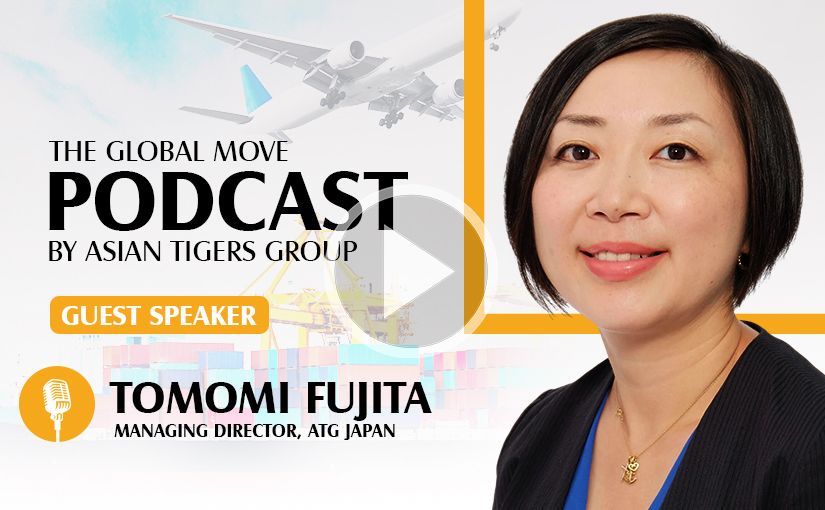
Want to discover more about the people, stories, and expertise behind the moves we support?
Explore the Asian Tigers Group podcast for conversations and insights from across the relocation industry.
Let’s get moving.