

International Moves Explained: Everything You Need to Know Before Relocating Abroad
- Asian Tigers Group
-
Home » News » Industry News » International Moves Explained: Everything You Need to Know Before Relocating Abroad
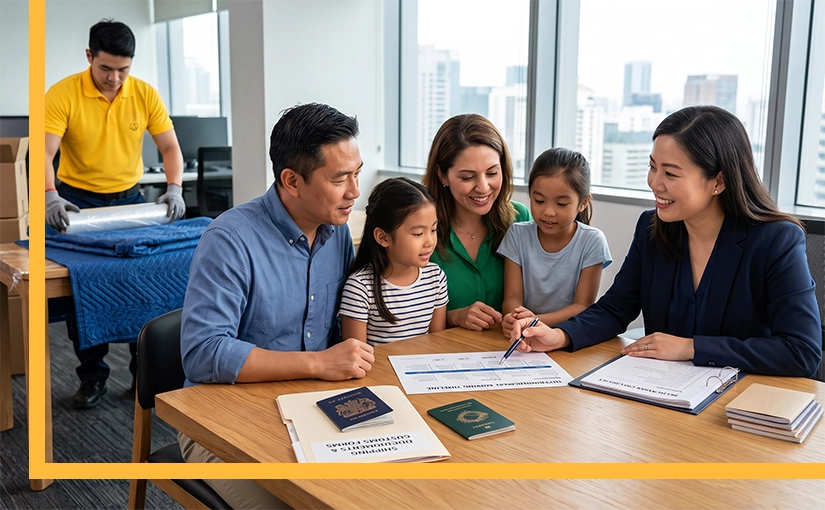
International relocation is exciting, but it comes with moving parts you will not face in a local move. Your household goods may cross borders, follow import rules, and arrive on a schedule that can depend on approvals, inspections, and local delivery access.
A reliable international moving company helps you turn that complexity into a clear plan. This guide covers what changes in an international move, how to build a workable timeline, and how to reduce surprises along the way.
What Makes an International Move Different
International moves typically involve more documentation, more coordination, and more “unknowns” than domestic moves. Even when your new home is ready, your shipment may have specific clearance steps before delivery can be scheduled. That is why experienced movers start with planning, not packing.
Key differences you should expect:
- More lead time for planning and approvals
- Detailed inventories for customs
- Delivery scheduling that depends on local regulations and access
- A higher value placed on professional packing and clear labeling
- The possibility you will need storage during the transition
Build a Realistic Timeline Before You Book Anything
A safe international relocation abroad starts with a timeline you can actually follow. If you are coordinating visas, housing, schools, or a job start date, your moving plan should support those milestones, not fight them.
12 to 8 weeks before departure
Confirm your destination address (or temporary housing plan), request a pre-move survey, and decide what is moving versus staying. Flag anything restricted, high value, fragile, or unusual.
At this stage:
- Start a simple inventory by room
- Set aside essentials you will keep with you (documents, medication, devices)
- Ask early about storage options if your move out and move in dates do not align
8 to 4 weeks before departure
Finalise dates, begin sorting, and reduce volume. International moves are often simpler and more cost effective when you ship only what you truly need. Gather any paperwork you may need for customs, and confirm who is responsible for providing each document.
Final 2 weeks
Prepare an arrival plan for access, utilities, and local contact details. Do not pack passports, medical records, keys, or critical work equipment into the main shipment.
Confirm with your movers:
- Packing dates and expected duration
- What items should not be packed
- Labelling rules and priority cartons for your first week
Customs and Documentation, What Most People Underestimate
Customs requirements vary by destination, and the details matter. A missing document or an unclear inventory can cause delays, extra inspections, or added costs. The goal is simple: make it easy for the authorities to understand what you are importing, why you are importing it, and whether it meets local rules.
Inventory clarity
Aim for clear descriptions (for example: “kitchen appliance, used” instead of “machine”), and group similar items logically. If you are bringing items that are new, high value, or unusual, flag them early during planning.
What not to pack into the main shipment
Keep essentials with you, and ask your move specialist about items that commonly trigger extra scrutiny at destination. If you are unsure, treat it as a question to resolve during the consultation, not something to guess on moving week.
Packing Standards Matter When Your Goods Cross Borders
In an international move, your goods may be handled multiple times before delivery. Professional packing, quality materials, and disciplined labelling reduce risk.
Ask your moving company about:
- Protection for fragile items and whether crating is recommended
- How cartons are numbered and matched to your inventory
- How you can identify priority cartons for the first 24 to 72 hours
If you pack personal items yourself, use strong cartons, avoid overfilling, and label on multiple sides. Keep cables and small parts in a marked bag.
Looking for packing guidance tailored to your move? Ask Cindy, our 24/7 AI assistant.
Valuation, Protection, and Peace of Mind
Before moving day, ask how valuation and shipment protection are handled. This is not just a checkbox. It affects how items are documented, what you should photograph, and what to do if something arrives damaged.
A good relocation partner will explain what is covered, what is excluded, and what the claims process looks like, including time limits and the paperwork you will need.
Plan for the Gap, Why Storage Often Supports Relocation
Many relocations include a timing gap, moving out before moving in, waiting for a lease start date, or renovating after arrival. In those cases, storage can protect your schedule and reduce stress.
If storage may be needed, confirm:
- Where it will be stored and how items are tracked
- Whether you can access a small set of essentials without unpacking everything
- Any rules for longer term storage (notice periods, access windows)
How to Choose Movers You Can Trust
Not all international movers operate the same way. The difference is rarely marketing, it is process. Look for a team that starts with a detailed consultation, provides a written plan, and explains what happens at each step.
What to look for:
- A thorough pre move survey and clear scope of work
- Practical guidance on documentation requirements
- Professional packing standards and consistent labelling
- A support team that stays reachable throughout the move
- Options for storage if your timelines shift
Good movers will be direct about what is known, what depends on destination rules, and what needs confirmation.
Final Checks Before Moving Day
A few small steps can prevent big headaches later:
- Keep digital copies of key documents in a secure folder
- Set aside a travel kit (chargers, adapters, important papers)
- Label what you will take with you versus what will be packed
- Share accurate contact details for both origin and destination
International moves are not only about transporting items. They are about protecting your time and safety while you settle in.
When choosing a moving company, look beyond pricing and logistics. Experienced movers should communicate clearly, provide realistic expectations, and support you throughout every stage of your relocation. It is also worth partnering with a company that is committed to responsible business practices and creating a positive impact in the communities where it operates.
Interested in learning how Asian Tigers are working toward a more sustainable future?
Explore our Environmental Sustainability Policy to see how we are reducing our environmental footprint and supporting the communities we serve before, during, and after every move.