
Asian Tigers Thailand Celebrates Songkran Day
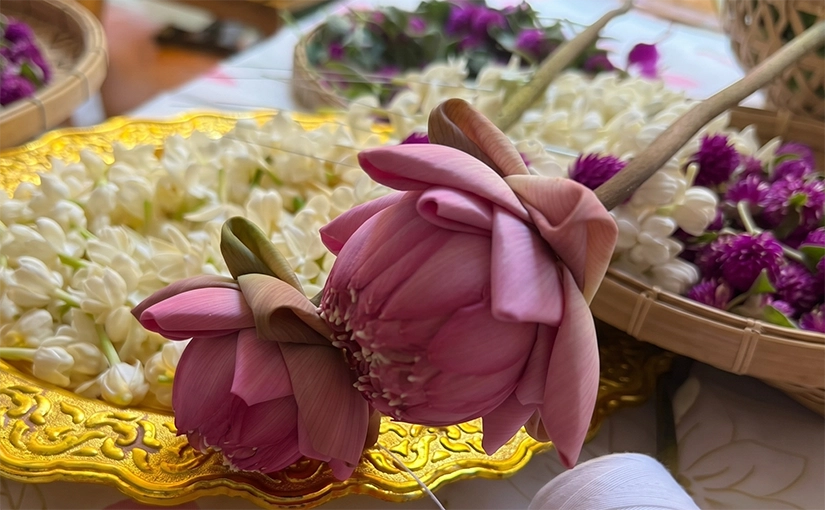
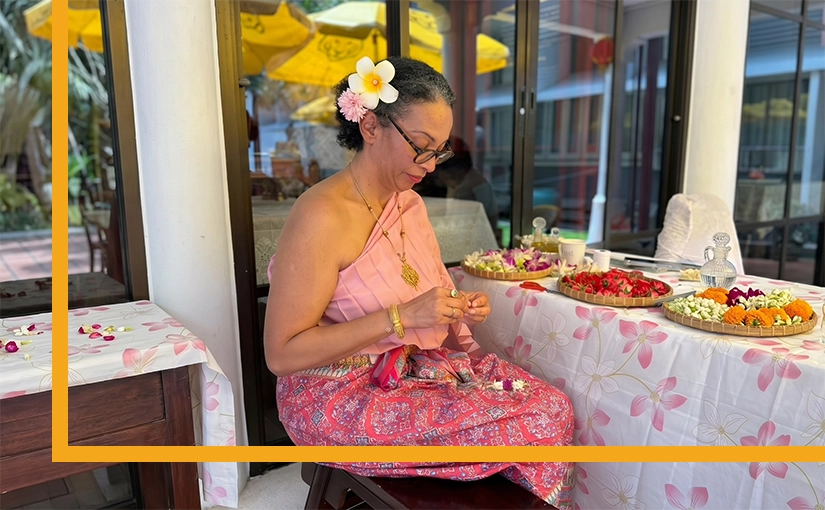
The Origin of Songkran Day
The Songkran Festival is considered the traditional Thai New Year. It has been observed continuously since ancient times and is a beautiful national cultural tradition deeply rooted in Thai life.
The word “Songkran” comes from Sanskrit, meaning “to move,” “to pass,” or “to change position.” It refers to the movement of the sun from one zodiac sign to another. While this movement can occur into any zodiac sign, in Thailand it specifically refers to the moment when the sun enters the sign of Aries in April.
The Importance of Songkran
The Songkran ceremony is a traditional Thai New Year celebration that has been practiced since ancient times. Therefore, Songkran is a time of generosity, love, and strong bonds shared among family members, communities, society, and religion. However, in the present day, it has expanded into a broader social context, and there is a tendency for attitudes and beliefs associated with it to change.
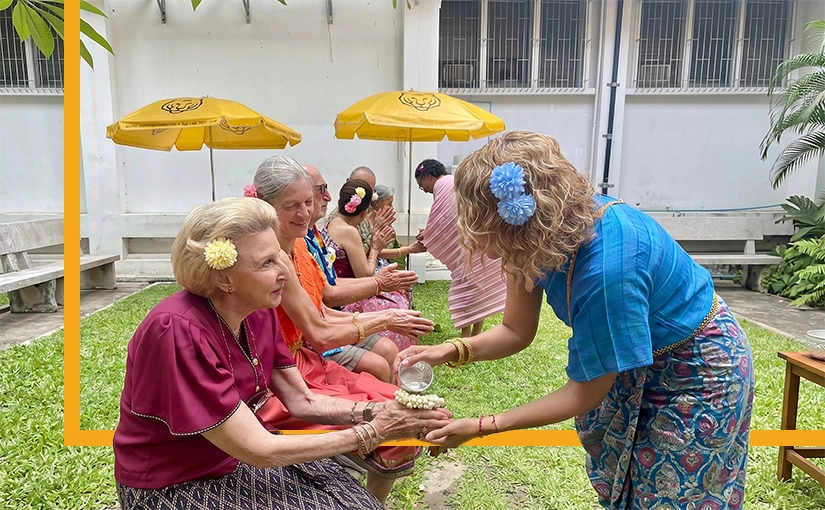
In the traditional belief, symbolic elements play an important role in the rituals. Water is used as a key symbol, representing relief from the heat of summer, when the sun moves into Aries. Water is gently poured on one another to bring refreshment and to seek blessings from parents, grandparents, and elders. It is also a way to express gratitude to ancestors who have passed away, through making merit and dedicating it to them.
Songkran also fosters unity within communities through activities such as making merit, giving alms, building sand pagodas, and supporting Buddhism. Splashing water together creates joy and fun. In addition, people develop a sense of unity and belonging, as well as appreciation for public property and the environment by helping to clean homes, temples, and various public places.
As time has changed, people have migrated to larger cities and use Songkran as an opportunity to “return home.” This results in heavy traffic during the days before the festival, the first day, and the final day of the celebration. Furthermore, Songkran is promoted as a tourism event for both Thai people and international visitors.
Nowadays, the festival has evolved and tends to be increasingly modified, sometimes becoming distorted from its original meaning. It is often promoted as a “Water Festival,” focusing mainly on water splashing as entertainment rather than its deeper cultural significance.
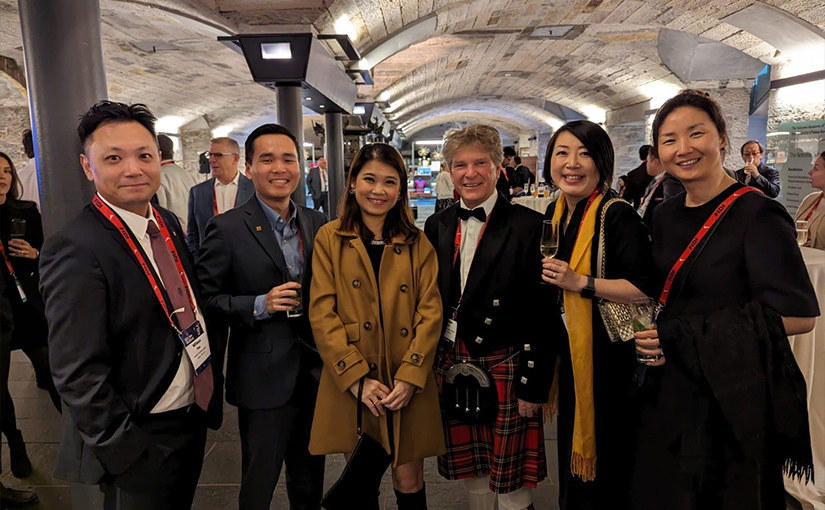
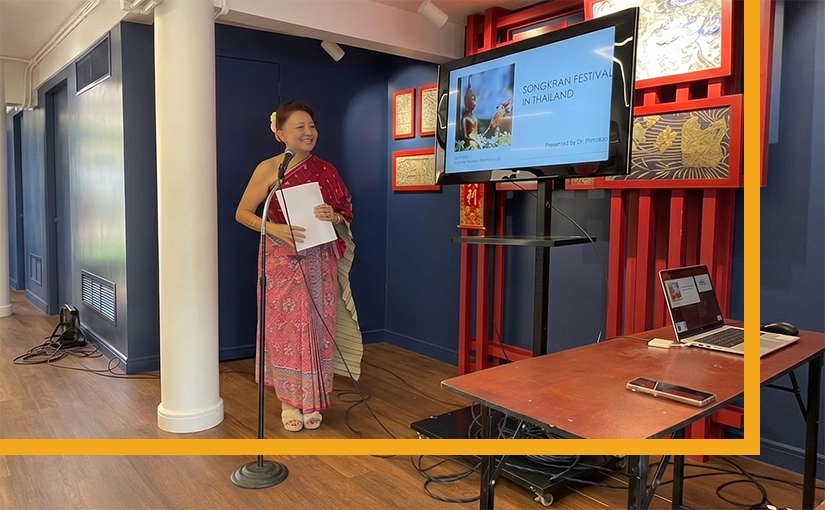
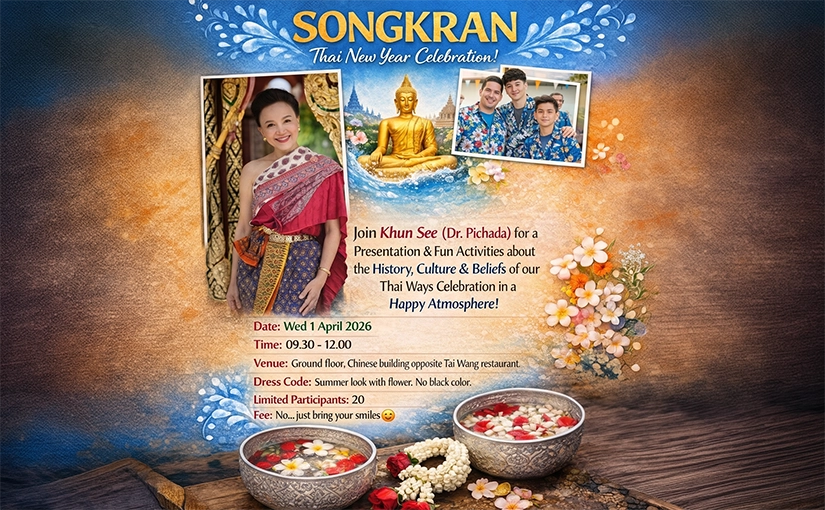
This Songkran, Dr. Pichada Rajavechpisal, Customer Relations Manager at Asian Tigers Group Thailand, had the honor of being invited as a special guest speaker at the National Museum Bangkok. She presented on the cultural heritage, beliefs, and celebrations of Songkran. The audience comprised members of the National Museum Volunteers: expatriates living in Bangkok who share a strong passion for learning about Thai culture and history.